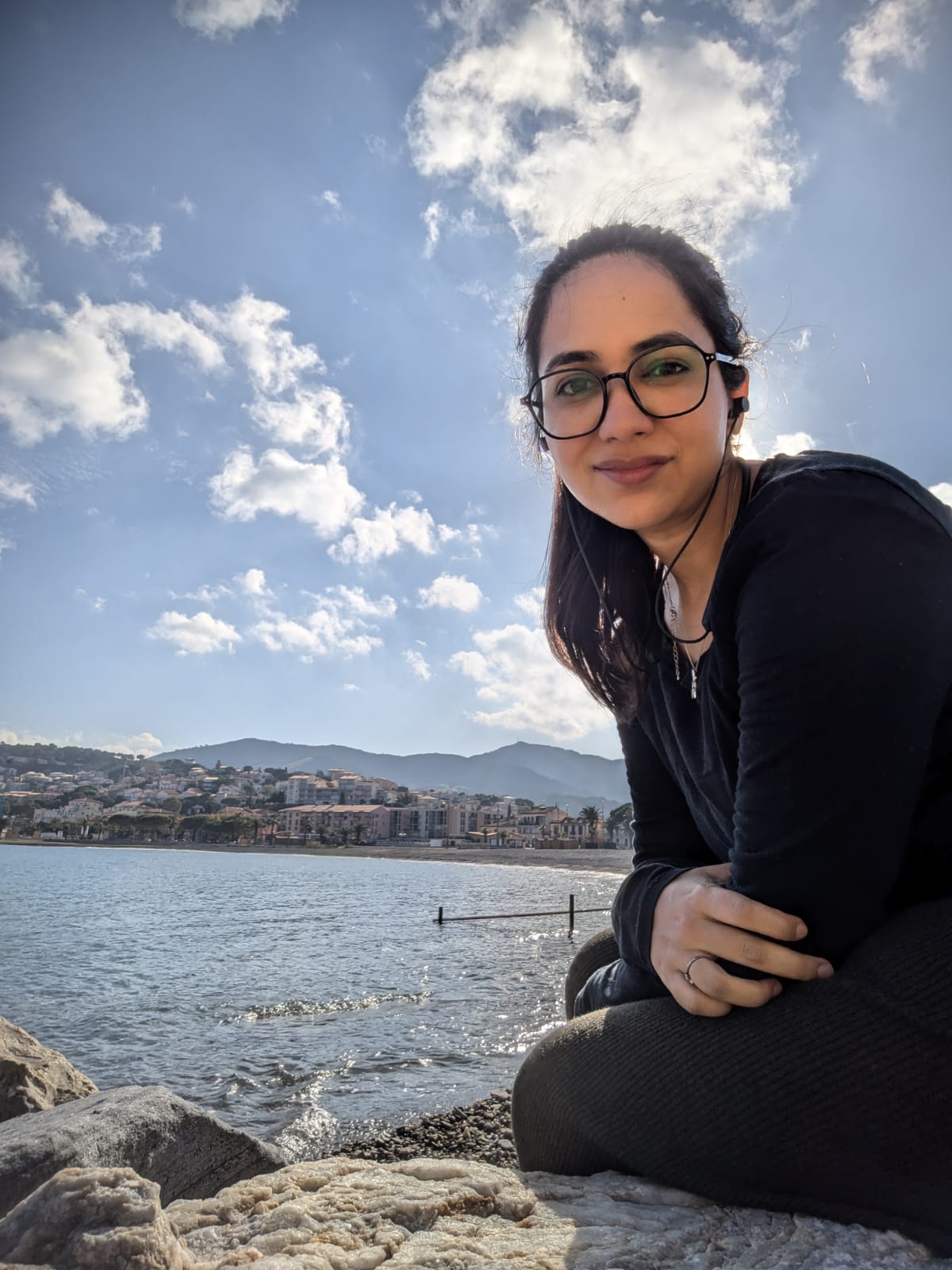
Open to PhD positions in sensory ecology, in any study system

Akshta Joshi

EcologyBehaviorMarine Biology

I study the language of colour: how animals use colour to talk to each other, and what those signals do to the behaviour of whoever is watching. I look at what colour patterns do: how stripes, bars and spots help animals stay unseen or avoid capture, and how those patterns change the behaviour of whoever is watching.

Latest
Light sensitivity of each colour receptor across wavelengths, for the selected animal420534564450556413480528370445508565344436544UV300400500600700nm
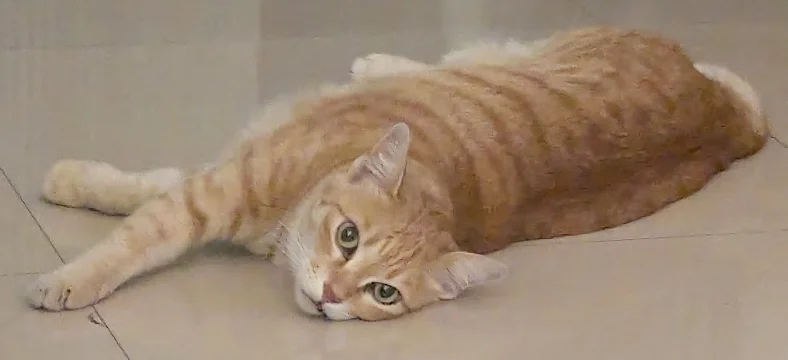
My orange tabby cat lying on a tiled floor
Test subject: my cat

Three cone types, peaking in blue, green and yellow-green. This is the palette this page was designed for.

Curves are simplified sketches of each receptor's peak sensitivity.

420 nmAbout

Akshta Joshi

How I got to colour

My route into science was indirect. I trained in commerce at Panjab University, and then moved into ecology with an MSc in Wildlife Conservation and Action, graduating top of my cohort. Along the way I dabbled in sea turtle communications, environmental education in Delhi schools, science writing and plastic-free campaigns.

Since 2022 I have studied coral reef resilience to climate change and human disturbance in the Andaman Islands, first at the Indian Institute of Science. Hours of underwater video turned a survey job into a research question: animals flash and change colour at each other constantly, so what are they saying, and how do the signals shape what happens next?

That question is bigger than any one animal. I want to work in sensory and visual ecology in whatever system colour carries a message, combining careful behavioural observation with statistical models of how signals are sequenced. And because I’m also an artist, I spend a lot of time thinking about colour from the other side of the canvas.

PaintingDigital artAnimationMusicSwimmingAdventure sportsScience writing

470 nmResearch

Where I'm heading

The language of colour, in any animal

I want to keep decoding colour as communication: which signals animals use, how they string them together, and how receivers respond. Reef fish are where I started, but I’m open to any study system, from cephalopods and lizards to birds and insects, as long as the question is how colour shapes behaviour.

Sensory ecology · signalling · behaviour

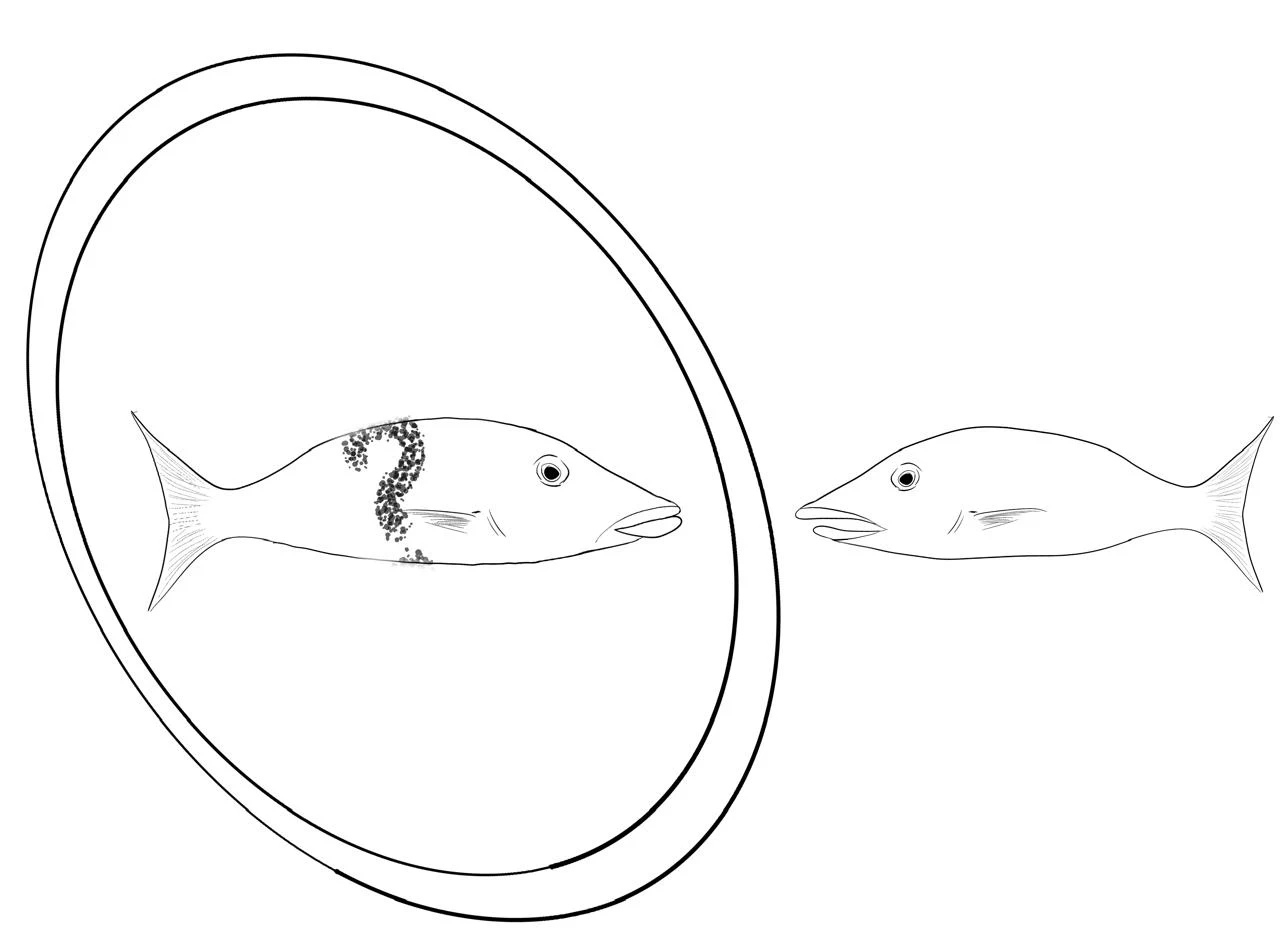
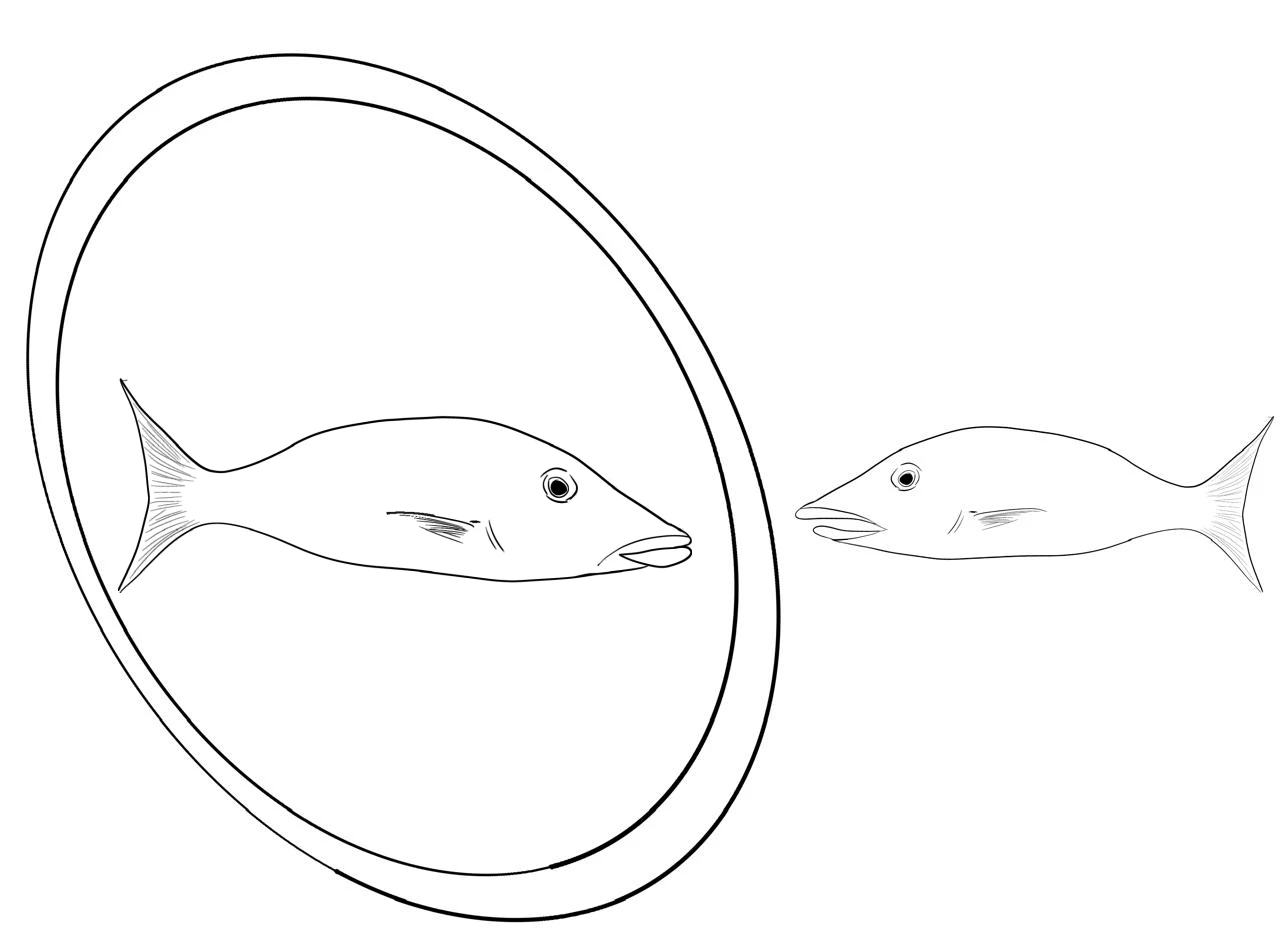
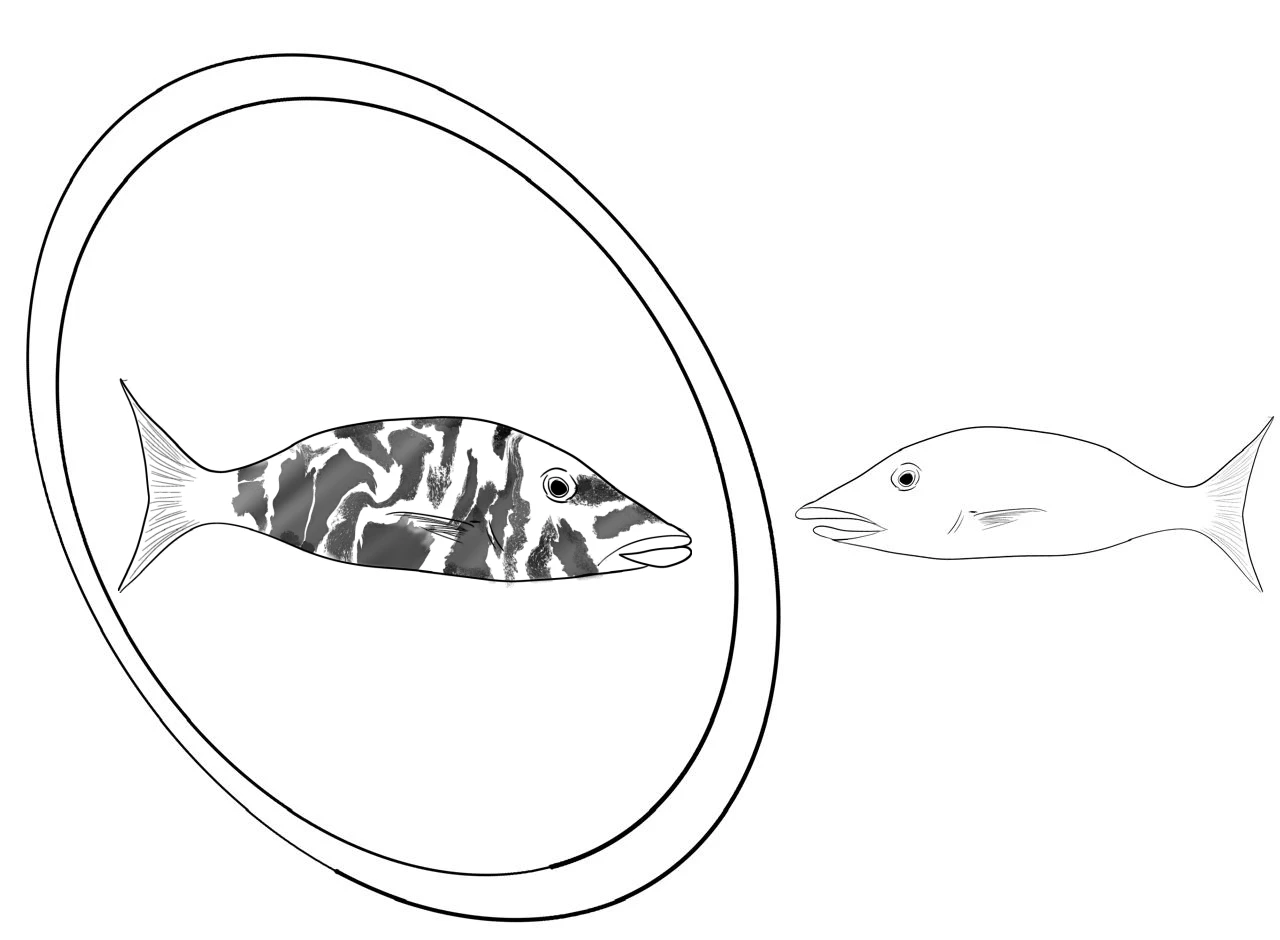
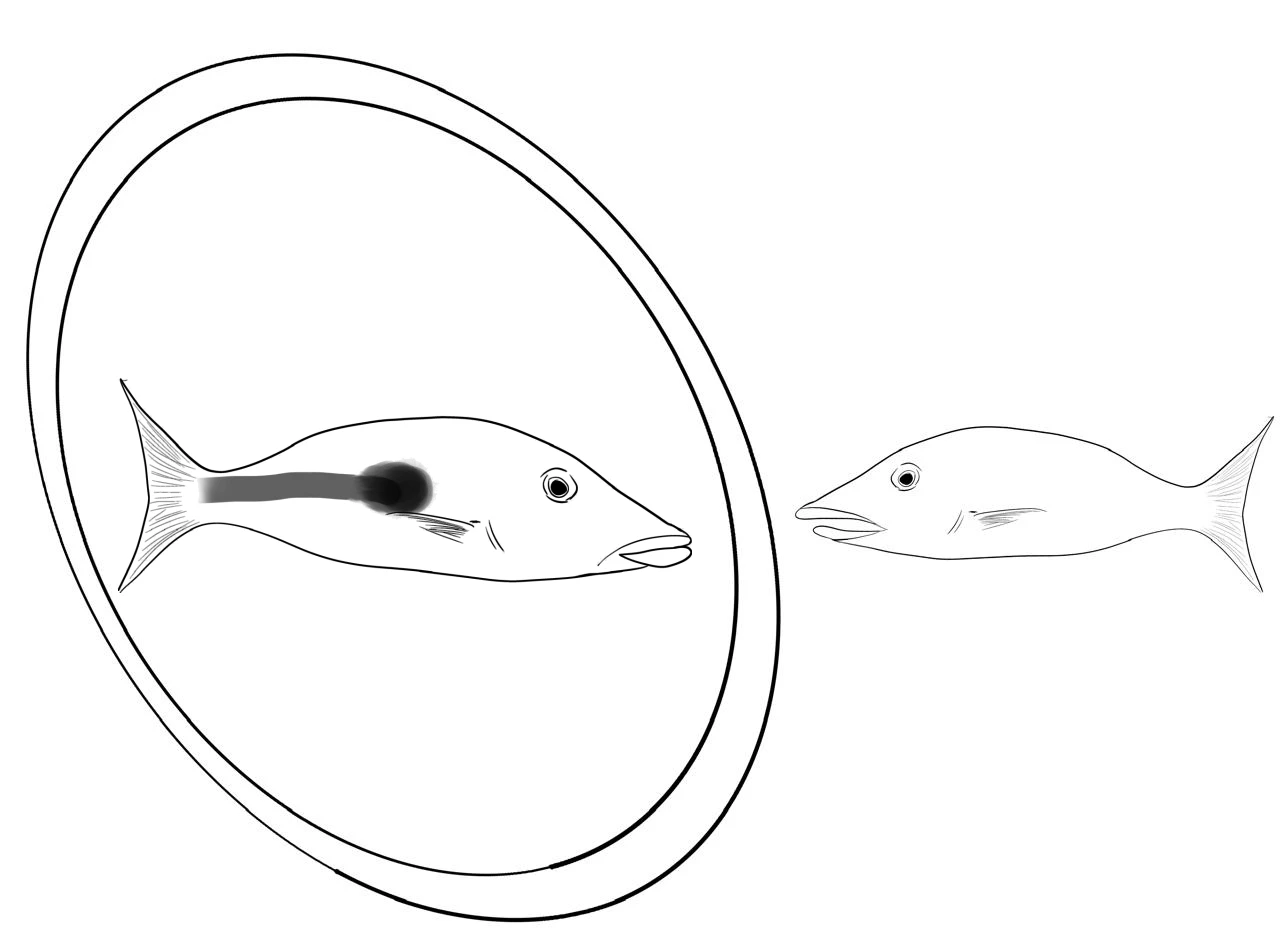
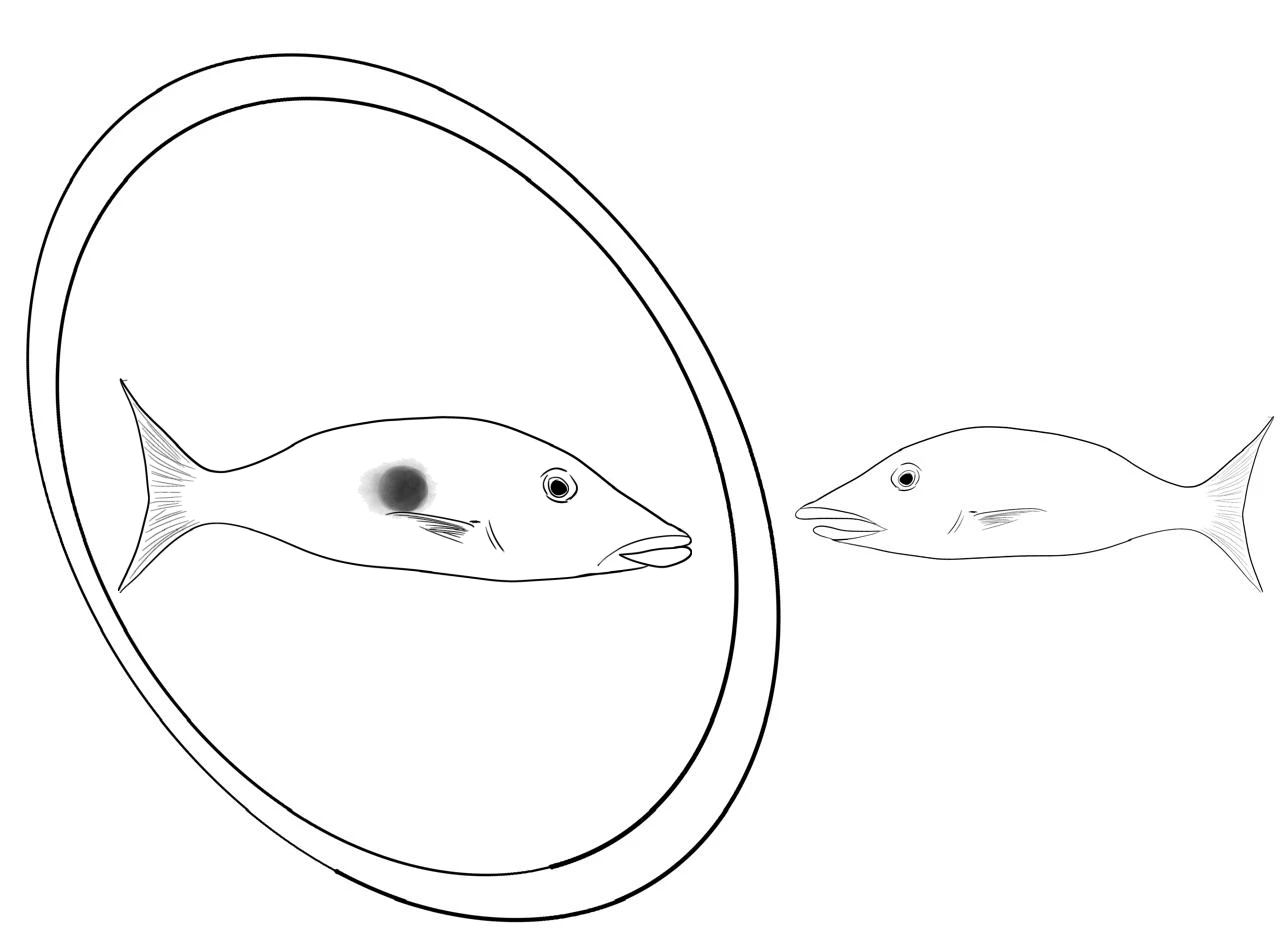
Hand-drawn emperor fish looking into a mirror; its reflection carries a question-mark patternSketch of the emperor fish's reflection in the plain colour phaseSketch of the emperor fish's reflection in the mottled colour phaseSketch of the emperor fish's reflection in the horizontal line colour phaseSketch of the emperor fish's reflection in the dot colour phase

What are they signalling? Emperor fish switch between four colour phases within seconds. Tap the fish to see them.

Case study · Colour signalling

The emperor's new clothes

Emperor fish (Lethrinidae) flick between four colour phases within seconds: plain, mottled, horizontal line and dot. From about 155 minutes of coded BRUVS footage I showed that these changes are not random. They follow a sequence, and the sequence shifts depending on whether a fish is alone, with its own species, or with other species. Presented at ISBE 2026 in Turin.

BRUVS footage · ethograms · Markov & hidden Markov models · R

Predators & fisheries

What happens when predators are fished out

Working with colleagues at IISc, I helped show that removing predatory fish changes how the remaining reef fish behave, with knock-on effects that may cascade through the reef.

SCUBA surveys · BRUVS · video annotation
Survey methods

Bait matters

I designed and ran a field study comparing three bait types and an unbaited control on baited remote underwater video stations, to test how bait choice shapes which predatory fish turn up in tropical surveys.

BRUVS · pelagic BRUVS · R

505 nmMethods

How I work

The tools change with the animal. Watching closely, coding behaviour and measuring colour carry over to any system.

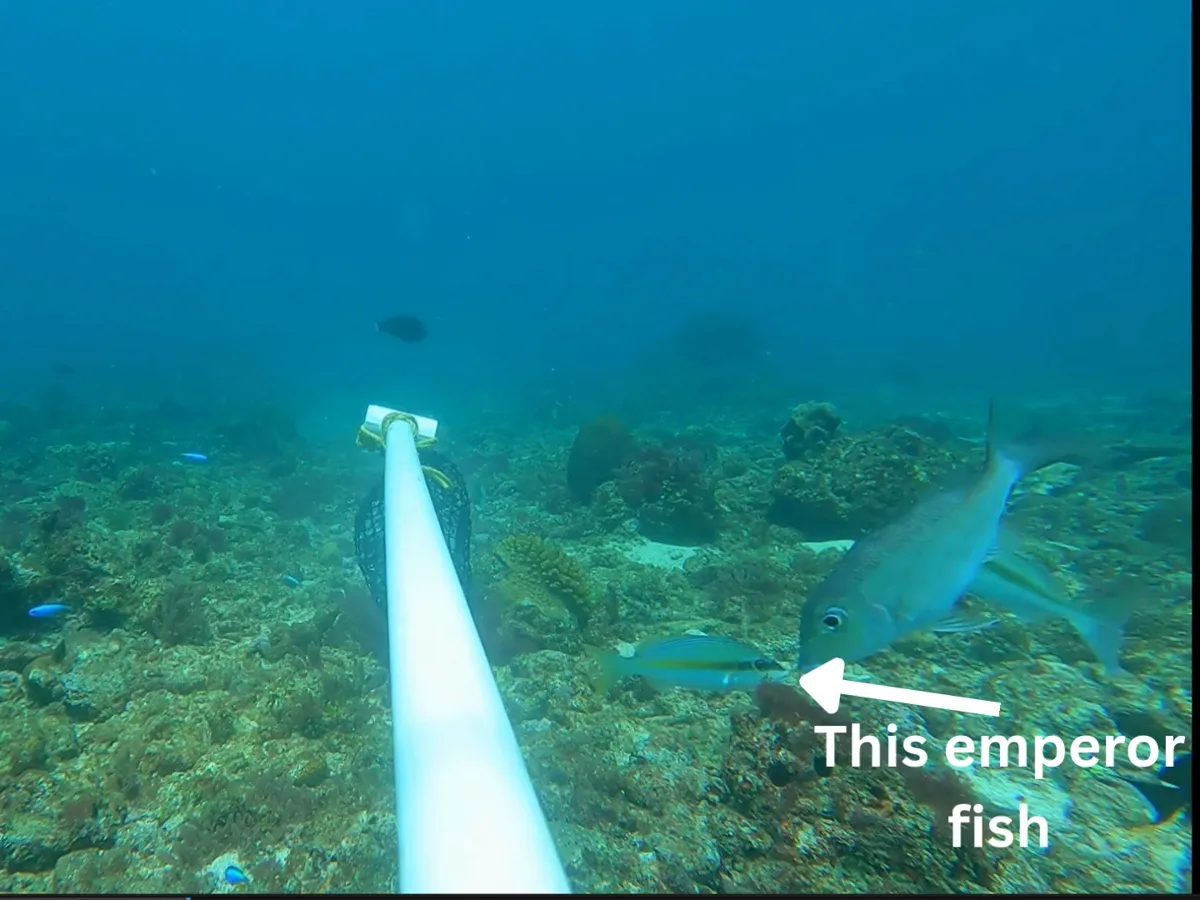
A still from BRUVS footage with an arrow pointing to an emperor fish

Video ethograms

Turning hours of footage into data. I code every behaviour and colour phase frame by frame in BORIS and WhatFishDo, then model the sequences in R with Markov and hidden Markov models.

Colour & pattern analysis

Measuring colour the way a receiver might see it: calibrated images and the MICA toolbox, ImageJ for pattern measurements, and careful categorisation of colour states so they can be counted, timed and compared across individuals and species.

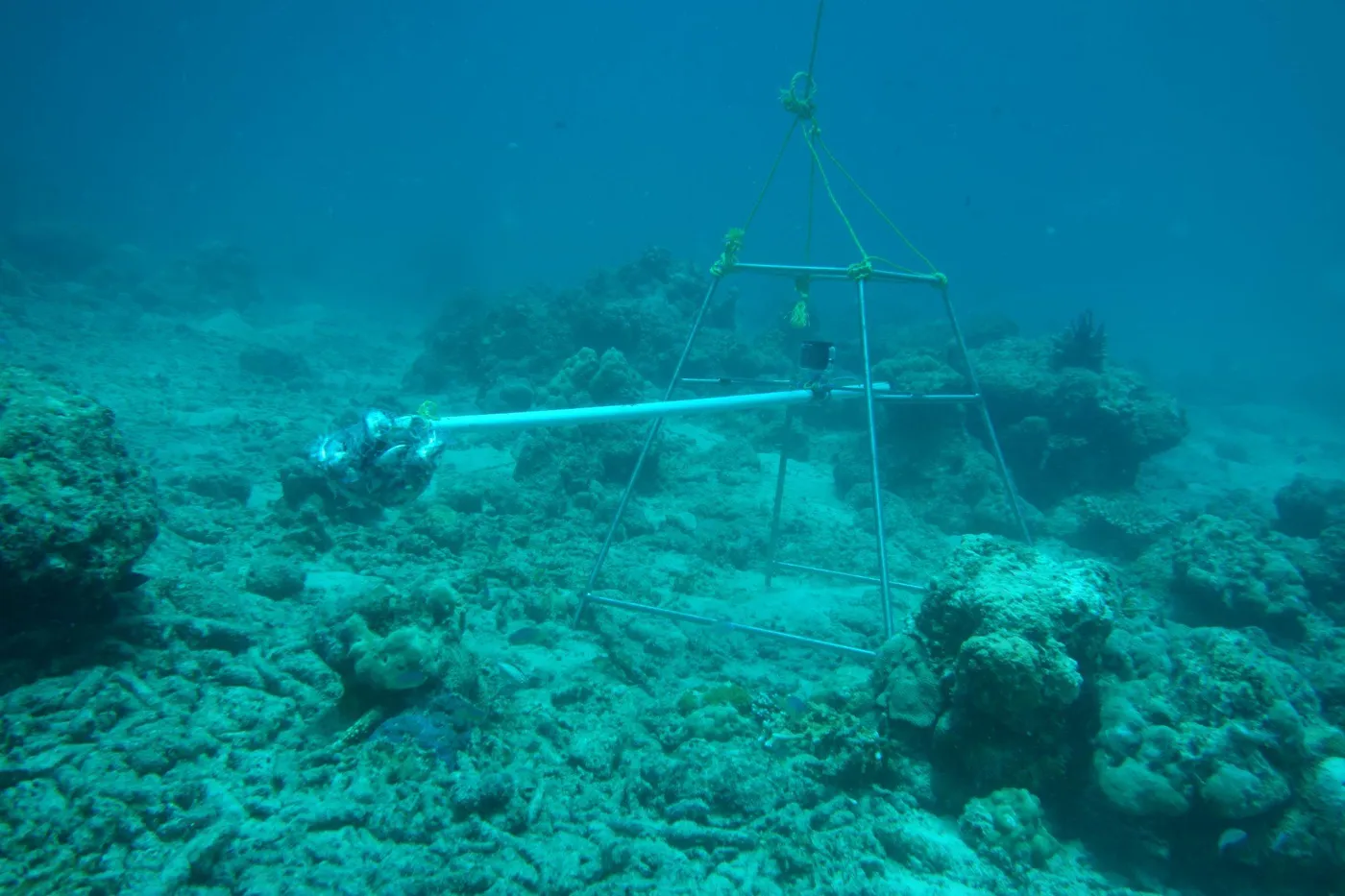
A baited remote underwater video station set on a coral reef

BRUVS

Baited remote underwater video stations: a camera on a frame with a bait arm, left on the reef to film whatever comes in without a diver nearby. I use them, and pelagic BRUVS in open water, to survey predatory fish and record their behaviour.

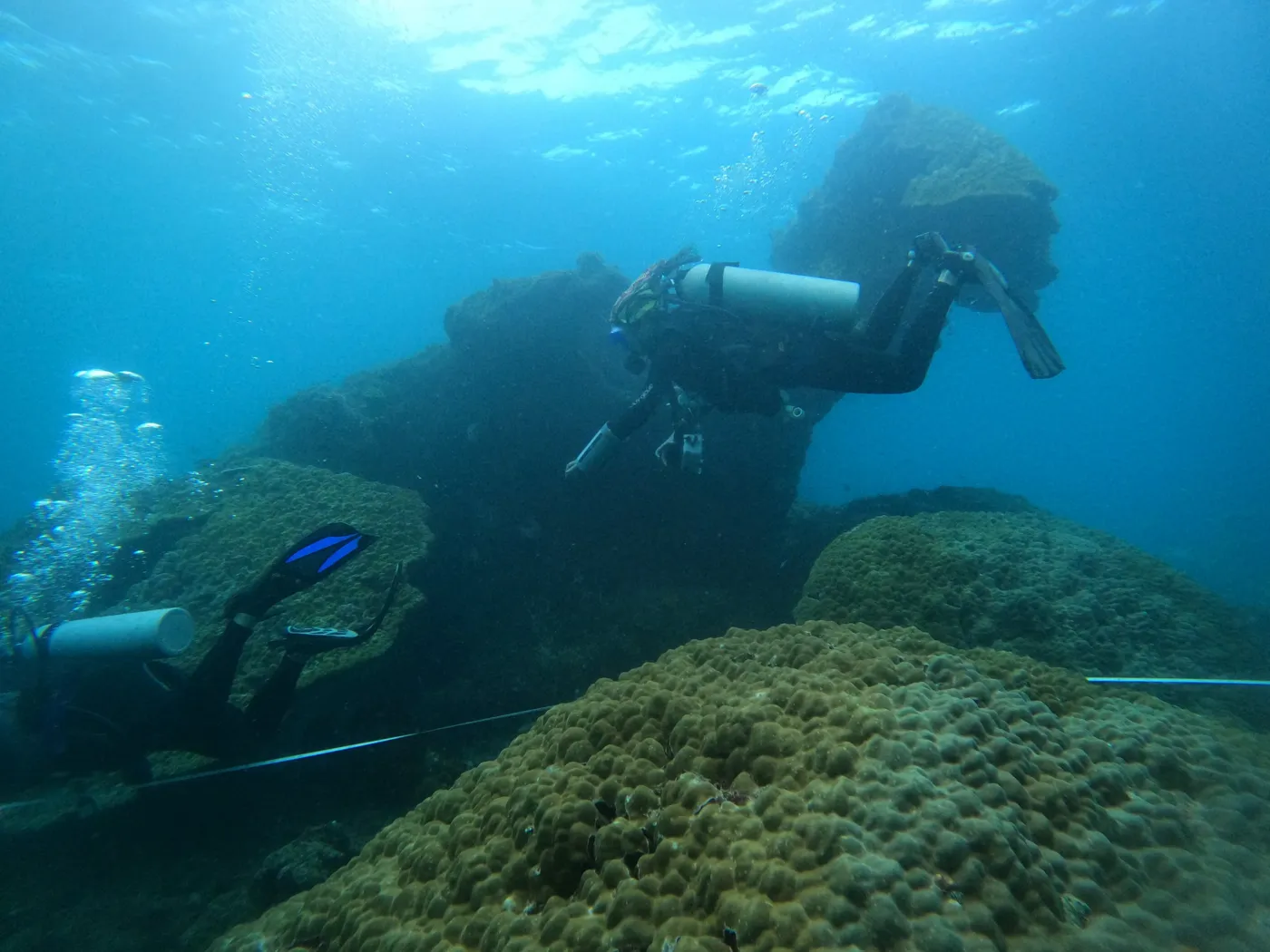
A diver working beside a survey frame on the reef

Underwater surveys

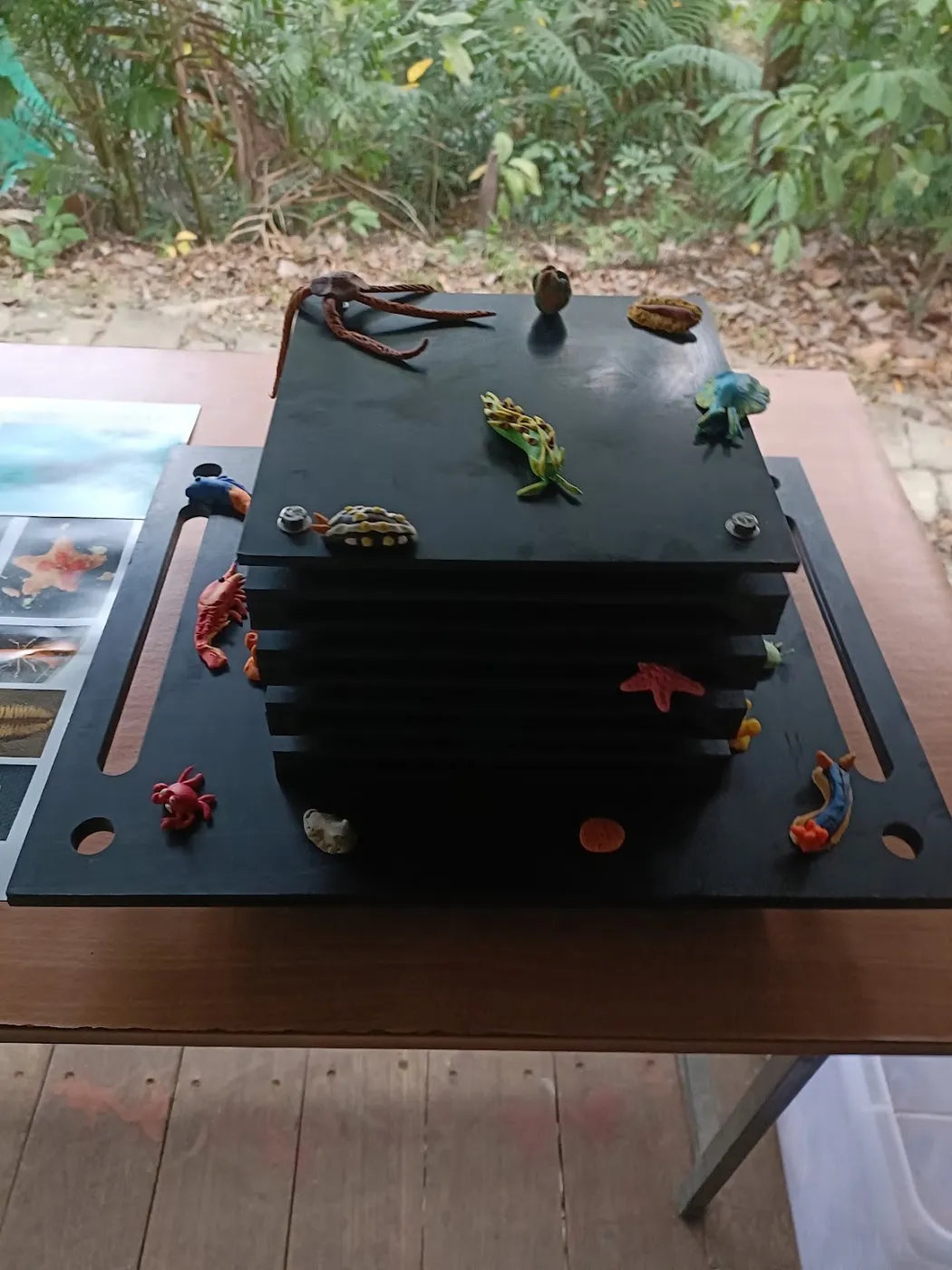
SCUBA-based reef surveys in the Andaman Islands since 2022: fish counts along transects, benthic photo-quadrats and photo documentation of reef health. I also deploy ARMS (Autonomous Reef Monitoring Structures): stacks of plates left on the reef for a year or more so that small invertebrates settle in the gaps, giving a standard sample of the hidden reef community.

Lab & analysis

DNA extraction, PCR and COX1 metabarcoding of reef samples; spatial work in QGIS; statistics in R and Python. In France I also trained on ADCP and CTD instruments for measuring currents and water properties.

545 nmPapers & talks

Publications

  • In review

    Local extraction of predatory fish may initiate behaviourally mediated trophic cascades in a coral reef

    Co-author (2nd) · Preprint on bioRxiv · 2025 · bioRxiv ↗

  • In review

    Out of sight, out of mind: Removal of predators by fisheries alters reef fish behaviour

    Co-author (2nd) · Preprint on bioRxiv · 2025 · bioRxiv ↗

  • In prep

    Emperor's new clothes: Decoding the dynamic colour signalling and social syntax in Lethrinid fishes

    First author

  • In prep

    Tropical temptations: Bait-driven dynamics in BRUVS surveys

    First author

Talks & posters

2026 · Turin, Italy

ISBE 2026

Presented dynamic colour signalling in Lethrinid fishes.

2023 · Bengaluru

SCCS Bengaluru

Poster: status of coral reef and ichthyofauna of Mithapur reef, Gulf of Kutch.

2020 · Cologne

University of Cologne, 14th Winter Meeting

Participant in discussions on interdisciplinary marine research.

580 nmExperience

Where I've worked

  1. 2025 – now

    Senior Programme Associate

    Dakshin Foundation & CES, IISc · Andaman Islands

    Reef fish component of the Long-Term Ecological Observatories. Field-testing pelagic BRUVS to set predatory fish baselines, running the video data pipeline and training interns.

  2. 2022 – 2025

    Project Associate

    Centre for Ecological Sciences, IISc · Bengaluru

    Indo-French CEFIPRA project on coral reef resilience in the Andaman and Nicobar Islands. SCUBA surveys, ARMS, BRUVS, COX1 metabarcoding; ADCP and CTD training at LECOB, France; mentoring students.

  3. 2021 – 2022

    Field Assistant (after an internship)

    Wildlife Institute of India · Malvan

    Biodiversity assessment for spatial mapping of critical marine habitats on the Malvan coast: reef and fish surveys, coastal bird counts, marine debris and fish catch surveys, drone monitoring, data analysis and report writing. Before that, as an intern, a systematic review of marine mammal research and policy.

  4. 2020 – 2021

    MSc dissertation

    Wildlife Trust of India · Gulf of Kutch

    Status of the coral reef and fish community of Mithapur reef, using photo-quadrats and line transects from the intertidal to deeper zones. Built a reef health index and recommended a conservation action plan.

620 nmArt

I also make things

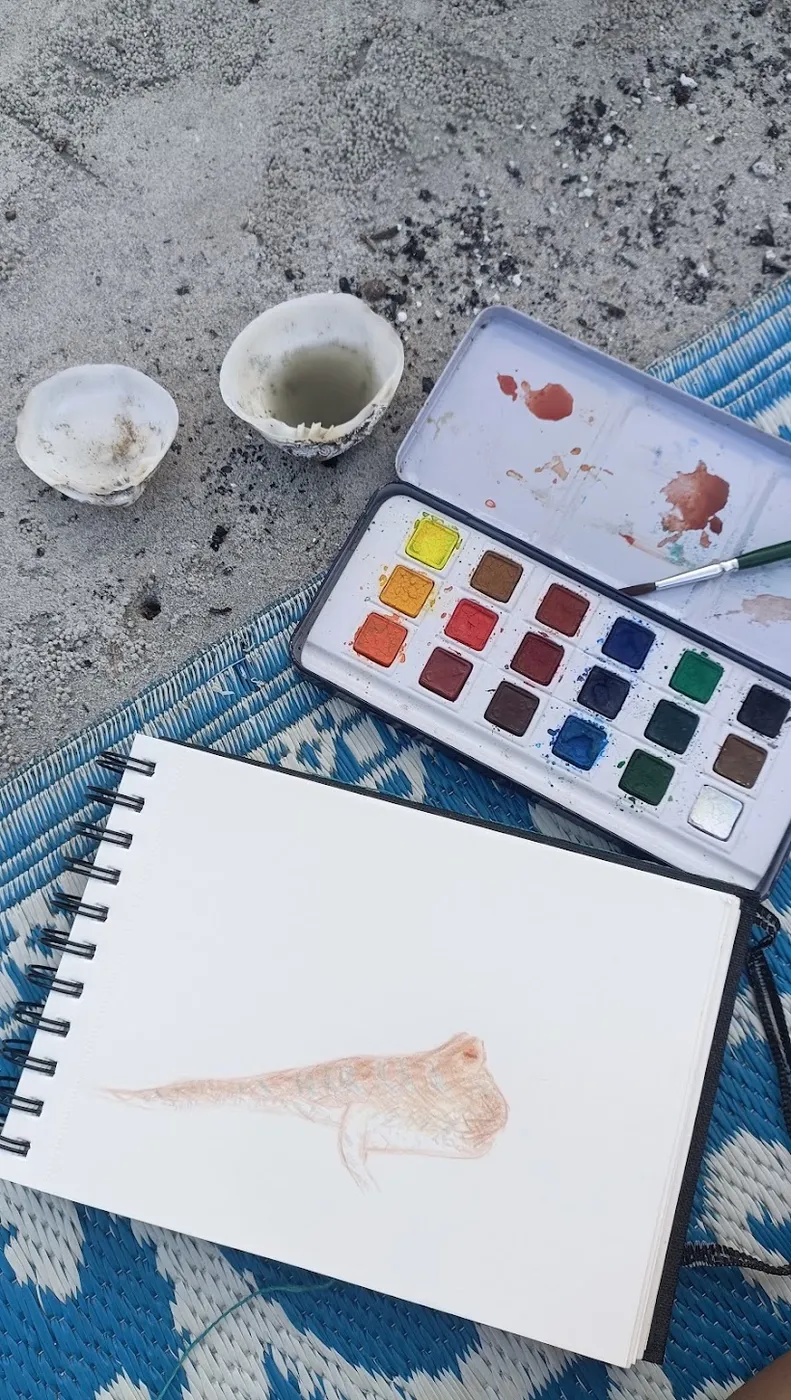
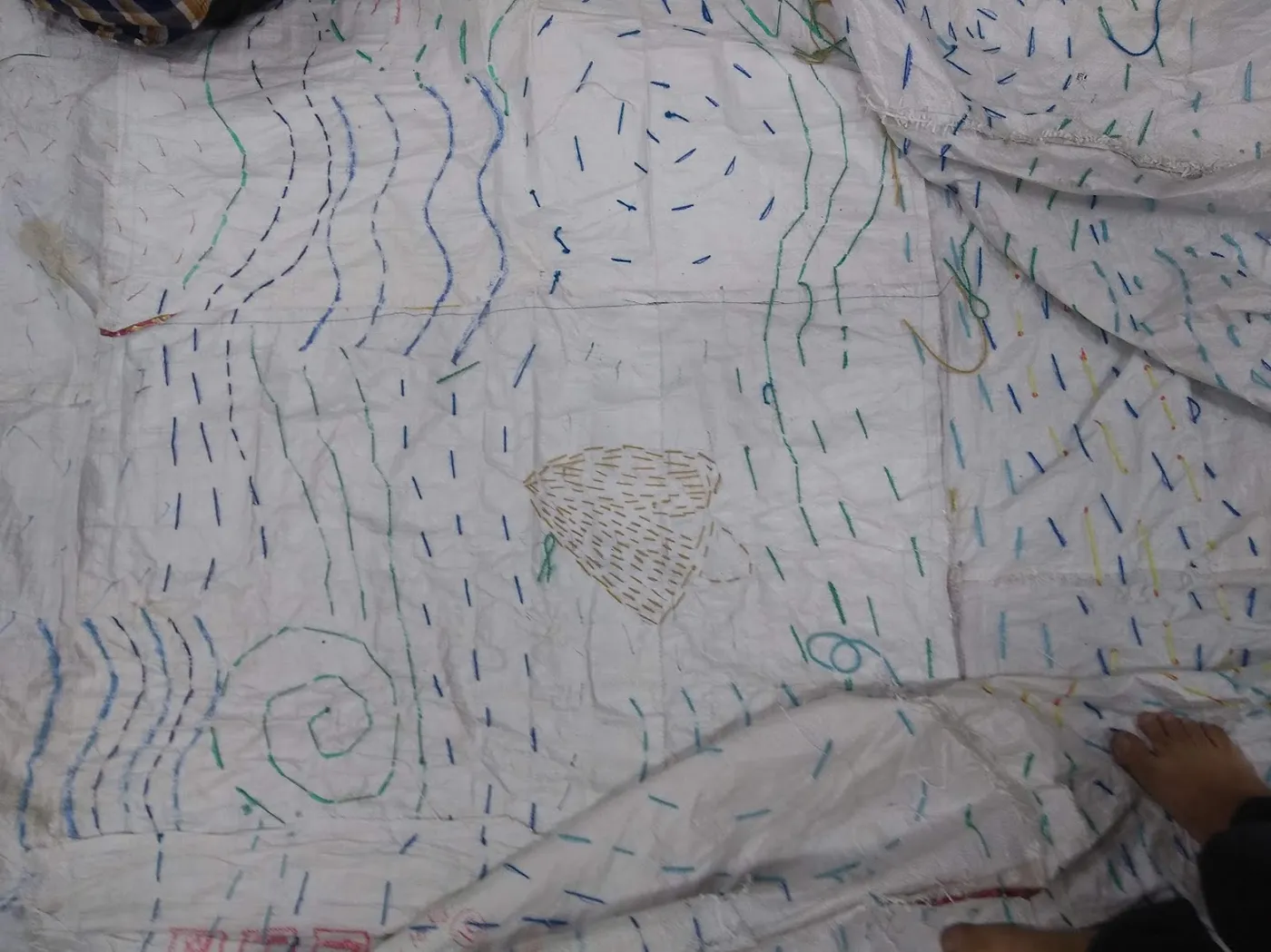
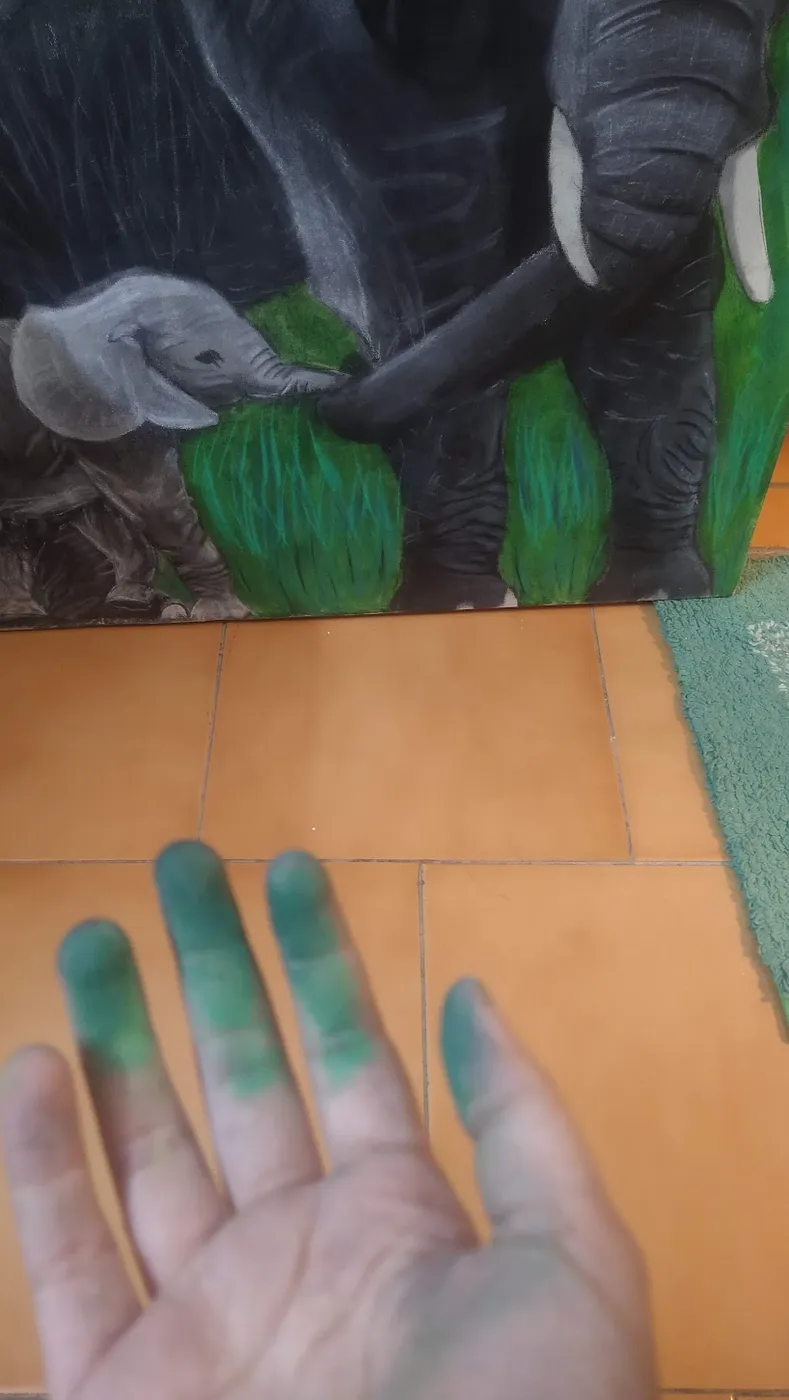
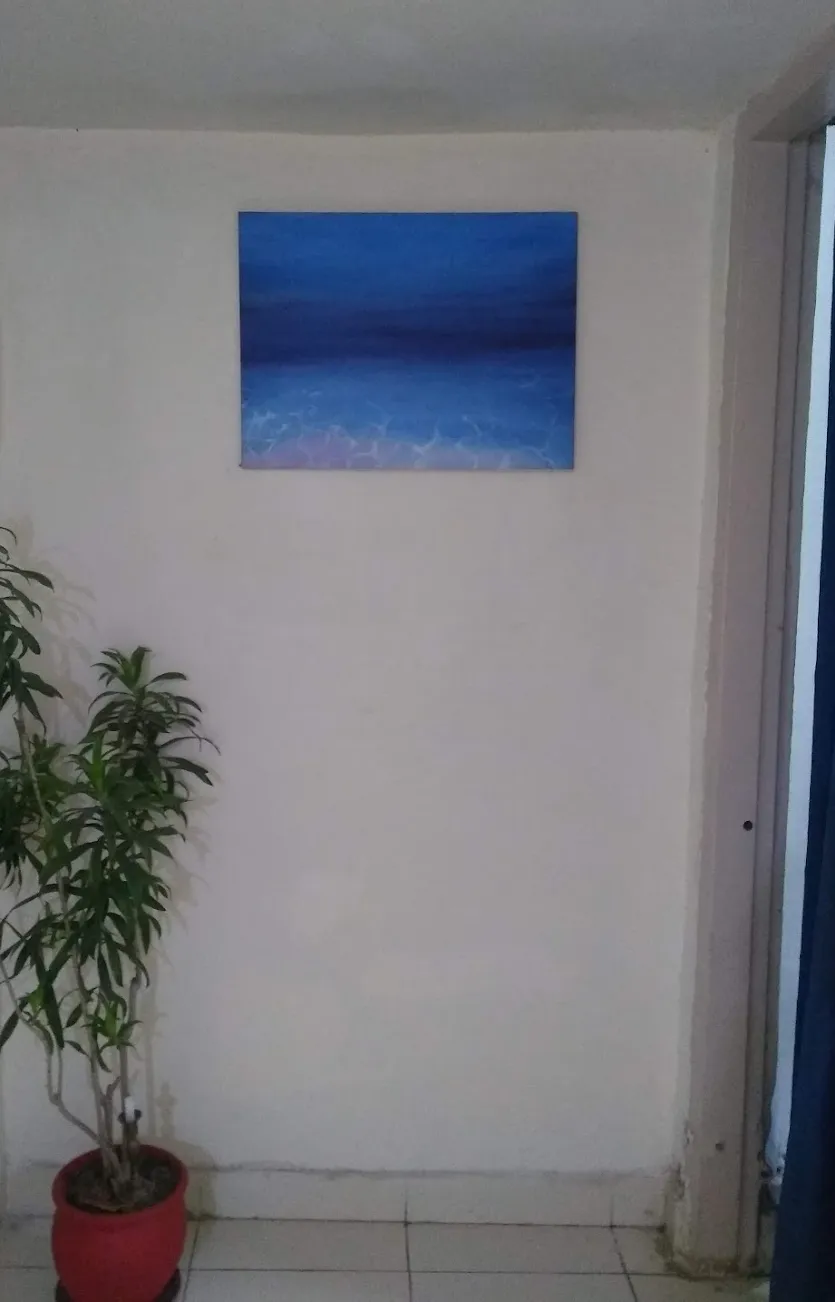
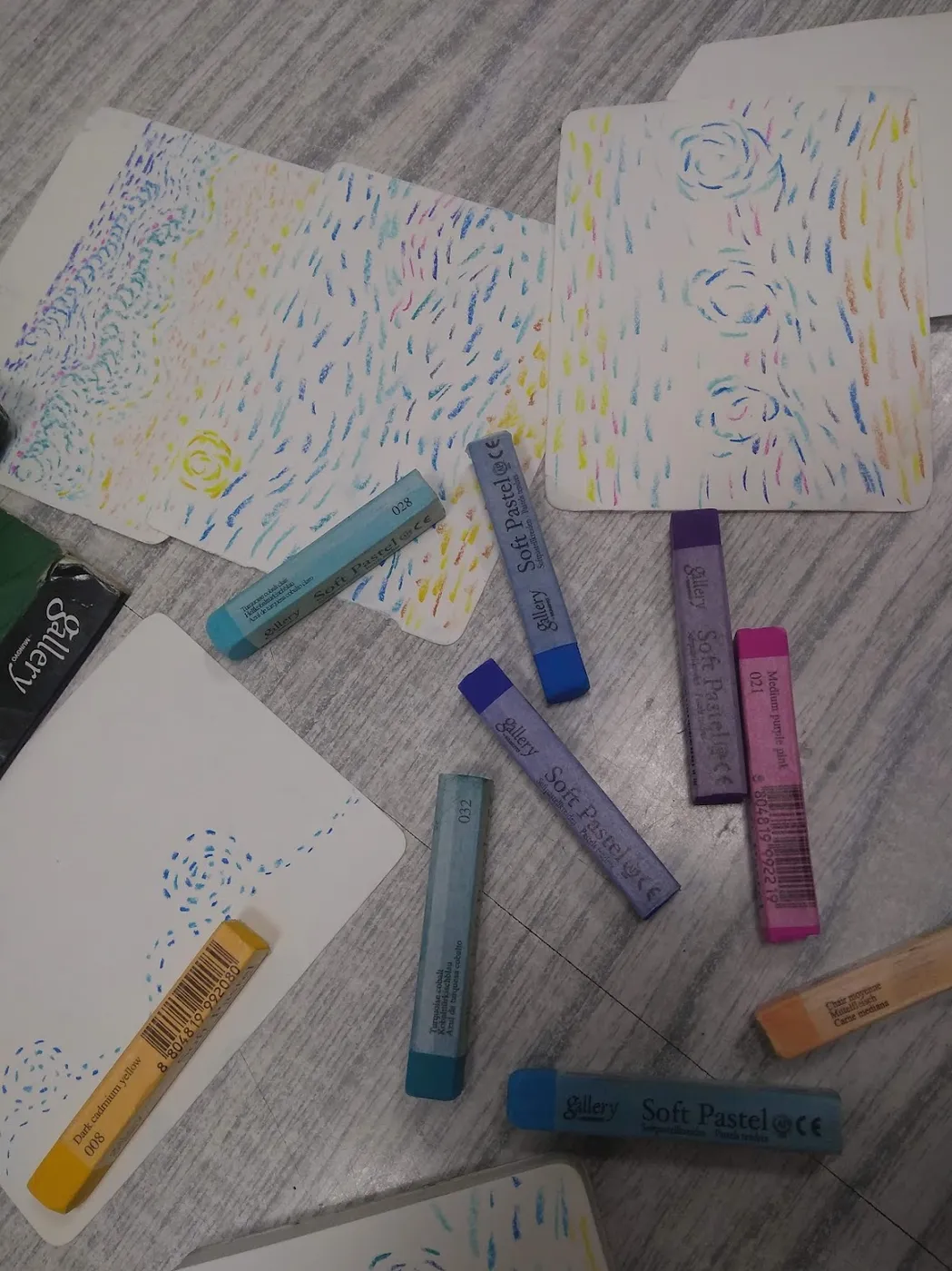
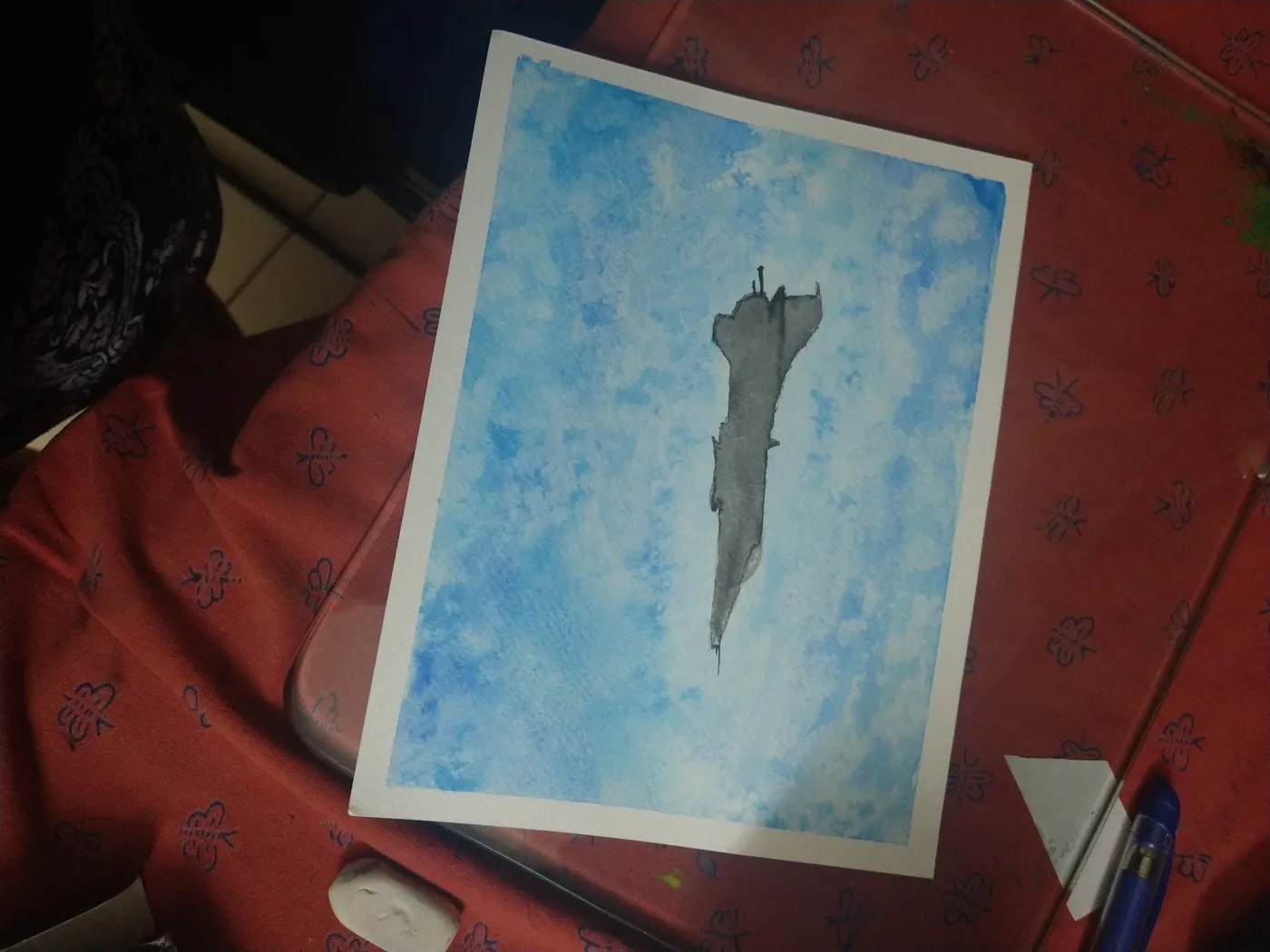
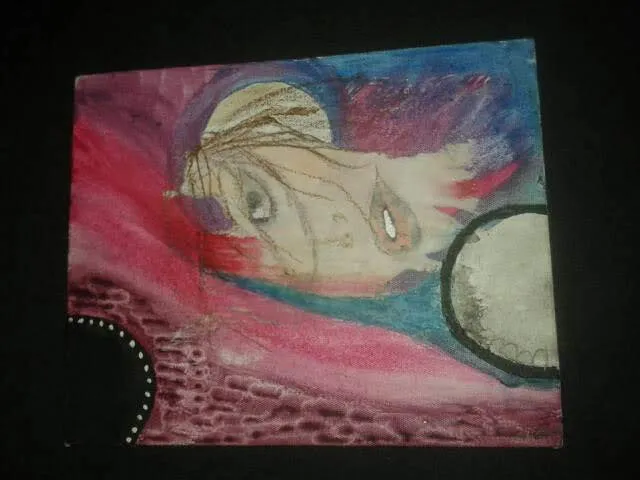
I like to play with whatever medium is lying around: clay, soft pastels, watercolour mixed in seashells on the beach, paint on canvas, even thread stitched into an old sack. I also illustrate my own manuscripts and talks (the fish in the mirror at the top of this page is mine), and in 2019 I organised Arribada, a sea turtle art exhibition with WWF Delhi.

680 nmContact

Say hello

I’m happy to talk about colour signalling, animal behaviour and sensory ecology, PhD projects, or collaborations on illustration and science communication.

ResearchGateAkshta Joshi ↗
Based inBengaluru & the Andaman Islands, India